
The Story Of Our Woodlands
The Box-Gum Grassy Woodlands were home to First Nations people for tens of thousands of years.
In little more than two centuries the landscape has been transformed into an agricultural matrix scattered with small remnants of woodland.
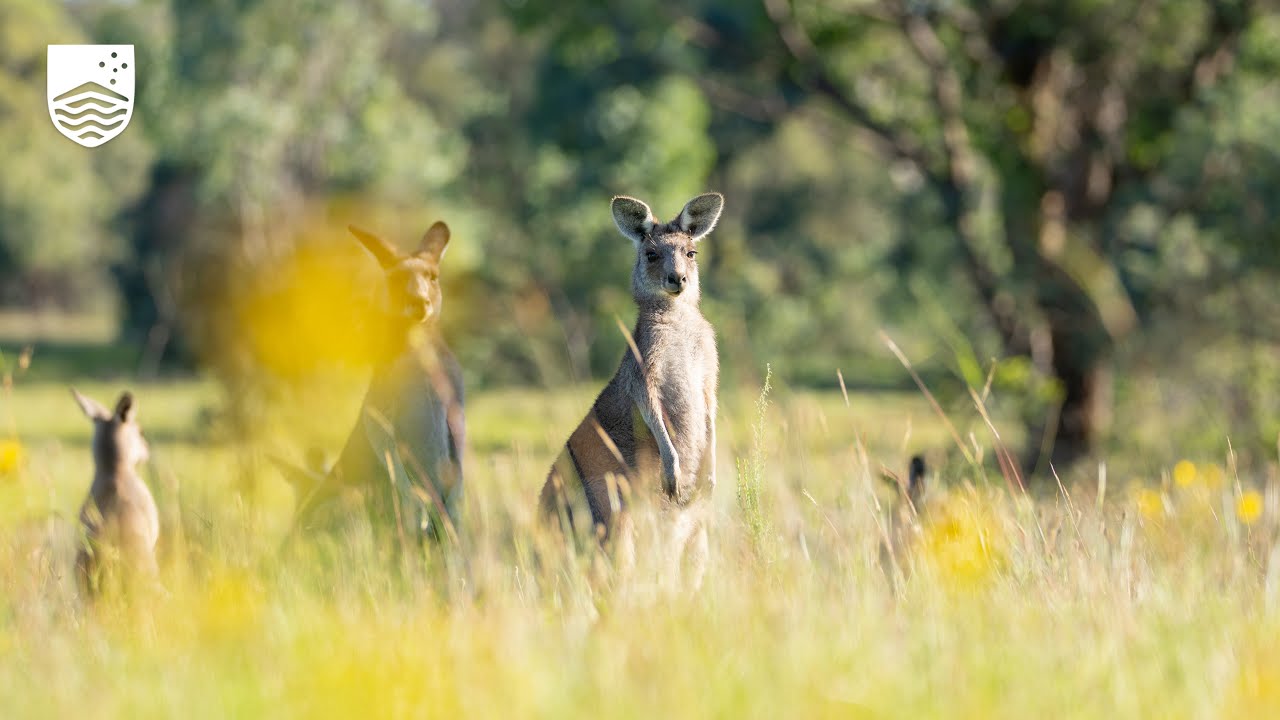
Explore the beauty of the Box-Gum Grassy Woodlands
Australia's Box-Gum Grassy Woodlands
Australia's Box-Gum Grassy Woodlands
Australia’s Box-Gum Grassy Woodlands are characterised by a range a eucalypt trees, including White Box, Yellow Box, Blakley’s Red Gum and other species, with an open canopy cover, an understory of scattered shrubs and a species-rich ground layer of native tussock grasses and forbs. The characteristic plant species varies with the locality, influenced by climate, soils, topography and land management history.
Vast expanses of this woodland once extended across south-eastern Australia, distributed in an arc along the inland slopes and tablelands of the Great Dividing Range from southern Queensland through NSW and ACT, to Victoria — an area of more than 5 million hectares.
Healthy Box-Gum Grassy woodlands support a remarkable diversity of native plants and animals, bursting with delicate wildflowers in Spring and filled with birdsong. The canopy will be busy with small woodland birds such as pardalotes, thornbills and silvereyes, gleaning insects from leaves and bark. When the eucalypts flower, flocks of honeyeaters will appear. The diverse variety of ground layer plants will host an abundance of insects, including pollinators like butterflies and native bees, and will provide habitat for wildlife such as reptiles, antechinus and echidnas.


The magnificent old paddock trees that characterise the agricultural landscapes of the sheep-wheat belt are some of the oldest living entities in Australia — ancient relics of the woodlands that once blanketed this landscape.

Endangered
Ecosystems
For tens of thousands of years Box-Gum Grassy Woodlands were home to people from more than 60 First Nations groups. However, with the arrival of European settlers these landscapes soon became valued as prime agricultural land.
Today, Box-Gum Grassy Woodland is considered to be a critically endangered ecological community under Australia’s Environment Protection and Biodiversity Conservation Act 1999. They are one of the most poorly conserved and threatened ecosystems in Australia.
The remaining woodland is highly fragmented, occurring in small, isolated patches within an agricultural landscape.
Over 90% of the woodlands have been cleared. What remains is highly fragmented and at least half is in such poor condition that it is no longer a functional woodland ecosystem – areas with trees but lacking a predominantly native ground layer are not part of the nationally-protected ecological community. Threats to the woodlands are ongoing, including inappropriate grazing regimes, increases in soil nutrients from fertilizers and livestock, weeds, dryland salinity, climate change, fire, removal of firewood and other impacts.
The result is the ongoing loss of habitat for biodiversity. Consequently, there are 55 nationally threatened species of flora and fauna associated with the Box-Gum Grassy Woodlands, and many more at a state level.
Across the region, organisations and communities are working together to reverse these declines, through actions to protect and restore the woodlands.
With only 11% of remaining Box-Gum Grassy Woodlands protected in public reserves and 77% occurring on private land, farmers and other rural landholders have an important role to play in the conservation of the woodlands and threatened woodland species.


Australia’s Box-Gum Grassy Woodlands are distributed in an arc along the inland slopes and tablelands of the Great Dividing Range from southern Queensland through NSW and ACT, to Victoria. The community now occurs as fragmented remnants across its distribution with less than 5% of the original woodland remaining.

Why Our
Woodlands
Matter
Why Our Woodlands
Matter
Woodland ecosystems have many values, from intrinsic biodiversity and cultural values, to the provision of ecosystem services that benefit human life in many ways, including processes that are foundational to sustainable agricultural production.